
This wooden mallet was used for construction and farm work in the mountain communities. Tools such as this were essential for building homes, fences, and other structures, reflecting the skill and self-sufficiency of mountain residents.

A cracklin skimmer was a common kitchen tool used during the rendering of pork fat into lard. The skimmer allowed cooks to remove the crisp pieces of fried pork, known as cracklings, from the hot lard while leaving the liquid fat behind. An important part of traditional mountain food preparation, the tool helped families make use of every part of the hog. Cracklings were often eaten as a snack, added to cornbread, or used in other recipes, reflecting the resourcefulness and self-sufficiency of rural households.

This handkerchief doll is an example of a simple handmade toy created from everyday household materials. Often made from a folded handkerchief, scraps of fabric, or other readily available items, these dolls provided children with entertainment at little or no cost. Handmade toys reflected the creativity and resourcefulness of mountain families, who often crafted playthings rather than purchasing them. Artifacts such as this handkerchief doll offer a glimpse into childhood in the mountain communities and the traditions passed down from one generation to the next.

This quilt represents both the artistry and practicality of mountain life. Quilts were often handmade from scraps of fabric and worn clothing, transforming everyday materials into warm and durable bed coverings. Beyond their practical use, quilts reflected family traditions, creativity, and skilled craftsmanship, with patterns and techniques passed down through generations. Many quilts became treasured family heirlooms, preserving memories and stories while providing comfort and warmth. Today, they stand as lasting symbols of the resourcefulness and cultural heritage of the mountain communities.

This image shows the interior wall of a traditional log home, constructed using hand-hewn timbers and chinked with a mixture of clay, lime, or mortar. Log construction was a common building method in mountain communities because it made use of locally available materials and provided durable shelter. The exposed logs reveal the craftsmanship and labor involved in building a home by hand. Walls such as these offer a glimpse into the everyday living conditions of mountain families and the resourcefulness that helped them adapt to life in the rugged landscape.

This wooden rolling pin was used to prepare dough for breads, biscuits, pies, and other baked goods. An essential kitchen tool, it helped families transform simple ingredients into meals that sustained them throughout the year. Often used alongside a pastry board or kitchen table, rolling pins were found in nearly every household. This artifact reflects the importance of home cooking and baking in the daily lives of mountain families.

This wooden rake was an important tool for farm and household work in mountain communities. Used to gather hay, leaves, straw, and other materials, rakes helped families maintain fields, care for livestock, and harvest natural resources from the surrounding landscape. Many rakes were handmade from locally available wood and repaired as needed, reflecting the self-sufficiency and craftsmanship of mountain residents. Tools such as this played an essential role in the daily work that sustained mountain families.

This hand-operated food press was used to process fruits and vegetables for cooking, canning, and preservation. By squeezing the handles together, food was forced through the perforated metal basket, creating a smooth texture for applesauce, mashed potatoes, tomatoes, and other household staples. Tools such as this helped mountain families make the most of their harvests and played an important role in food preparation and preservation throughout the year.

This spinning wheel was used to transform wool and other fibers into thread or yarn. Before factory-made textiles became widely available, mountain families often produced much of their own cloth and clothing. After wool was cleaned and carded, it was spun on a wheel such as this and then woven or knitted into useful household items. Spinning was an important skill passed from one generation to the next and played a vital role in the self-sufficient lifestyle of Appalachian communities. The spinning wheel remains one of the most recognizable symbols of traditional mountain craftsmanship and domestic life.

This quilt is an example of the resourcefulness and craftsmanship found in mountain communities. Made from scraps of worn clothing, feed sacks, and leftover fabric, patchwork quilts allowed families to reuse materials that might otherwise have been discarded. Each piece of fabric often carried memories of family members, special occasions, or everyday life.
Quilts served both practical and social purposes. They provided warmth during cold mountain winters and were often created during quilting gatherings where neighbors and family members worked together, shared stories, and strengthened community ties. Handmade quilts were commonly passed down through generations, becoming treasured family heirlooms that preserved both history and tradition.
The varied colors, patterns, and fabrics in this quilt reflect the creativity, thrift, and enduring spirit of the people who made and used it.

This wooden butter mold was used to shape and prepare freshly churned butter. Dairy products were an important part of mountain life, and families often made their own butter from milk produced on the farm. Tools such as this helped create uniform portions for household use and sale. The mold reflects the self-sufficiency and food traditions that were central to daily life in the mountain communities.

This limberjack, also known as a dancing doll or jig doll, was a traditional folk toy used to accompany mountain music. The wooden figure's loose arms and legs moved when it was bounced on a board, creating rhythmic tapping sounds that matched the beat of fiddles, banjos, and other instruments. Popular at gatherings, dances, and community events, limberjacks provided both entertainment and percussion. The toy reflects the creativity, craftsmanship, and rich musical traditions that were an important part of life in the mountain communities.

This Enterprise No. 22 hand-crank meat grinder was used to process meat for cooking and preservation. During butchering season, mountain families ground pork, beef, venison, and other meats to make sausage and prepare food for storage. Tools such as this were an important part of the self-sufficient lifestyle practiced by many rural households. The grinder reflects the hard work, resourcefulness, and food traditions that helped sustain mountain communities throughout the year.

This wooden grain scoop was used to handle grain, cornmeal, flour, and other farm products. Crafted from wood and built for daily use, tools such as this helped mountain families store, transport, and prepare food for both household use and livestock. Simple, durable, and practical, wooden scoops were common fixtures in barns, mills, and kitchens throughout the region. They reflect the self-sufficient lifestyle and agricultural traditions that shaped life in the mountain communities.

Baskets were among the most useful and versatile items found in mountain households. Handwoven from natural materials such as oak, hickory, willow, or other local woods, baskets were used to gather crops, collect eggs, carry firewood, transport goods, and store household items. Their durability and practicality made them essential tools for daily life. Basketmaking was also an important craft, with techniques and patterns often passed down through generations. These handmade baskets reflect the skill, resourcefulness, and close connection to the natural environment that characterized mountain communities.

This pewter spoon mold was used to cast spoons for everyday household use. Molten pewter was poured into the mold and allowed to cool, creating a durable utensil for cooking and dining. The finished spoon displayed alongside the mold illustrates the result of this traditional process. Found in an old cabin near Brightwood, Virginia, the mold offers a glimpse into a time when many household items were handmade or produced by local craftsmen. It reflects the self-sufficiency and practical skills that were essential to life in the mountain communities.

This cutting board was an essential tool in the daily life of mountain households. Used for preparing meats, vegetables, and other foods, it played a central role in meal preparation and food preservation. Simple but durable, cutting boards reflect the self-sufficient lifestyle of mountain families, who often produced, processed, and prepared much of their own food. Everyday items such as this provide a glimpse into the routines and hard work that sustained households throughout the year.

This grindstone was used to sharpen and maintain the tools that mountain families relied upon every day. Axes, knives, woodworking tools, and farm implements were regularly sharpened on the rotating stone to keep them in working condition. Before disposable tools became common, maintaining equipment was an important skill, and a grindstone was often found in workshops, barns, and farmyards throughout the region. It reflects the self-reliance and craftsmanship that were essential to life in the mountains.

Lye soap was a common household product made by mountain families using animal fats and lye. Often produced at home, it was used for bathing, laundry, and general cleaning. Soap making was an important skill that helped families remain self-sufficient and make use of materials readily available on the farm. The production of lye soap reflects the resourcefulness and practical knowledge that were essential to daily life in the mountain communities.

This small galvanized metal tub was used as a baby bathtub in mountain homes. Before indoor plumbing became common, families often heated water on a stove and filled tubs such as this for bathing young children. Lightweight, durable, and easy to carry, galvanized tubs served many purposes around the home, including bathing, laundry, food preparation, and household chores.
In rural mountain communities, a baby bathtub was often one of many practical items that helped families make the most of limited resources. Passed from child to child and used for years, tubs like this were a familiar part of daily life and reflect the resourcefulness of Appalachian households.

A cracklin press was used during the process of rendering pork fat into lard. After the fat was heated and the cracklings separated, the press was used to squeeze additional lard from the cooked cracklings, ensuring that nothing went to waste. This tool reflects the resourcefulness of mountain families, who relied on traditional food preservation methods and made full use of every part of the hog. The lard produced was an important staple for cooking, baking, and food storage, while the remaining cracklings were often eaten or incorporated into other dishes.
A

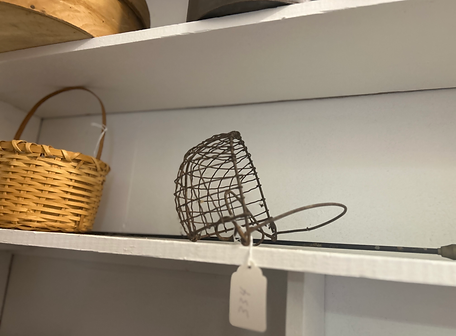
This wire horse muzzle was used to prevent horses from eating corn or other crops while working in cultivated fields. Attached to the horse's head, the muzzle allowed the animal to breathe and work normally while limiting its ability to graze on growing plants. Farmers commonly used muzzles during plowing, planting, and harvesting to protect valuable crops from being eaten by work animals.
Essential to farm life before mechanized equipment, horses provided the power needed to cultivate fields, haul loads, and perform many daily tasks. Simple tools such as this muzzle helped farmers manage their animals while safeguarding the harvest. It reflects the practical ingenuity and agricultural traditions of mountain communities.

Morel mushrooms were a prized seasonal food gathered by mountain families each spring. Found in wooded areas, these wild mushrooms provided a welcome source of fresh food after the long winter months. Morel hunting often became a family activity, with knowledge of where and when to find them passed down through generations. The gathering of wild foods such as morel mushrooms reflects the close relationship mountain residents had with the natural environment and their ability to make use of the resources the land provided.

This wooden shoe mold, also known as a shoe last, was used in the making and repair of footwear. Shoemakers shaped leather over forms such as this to create properly fitted shoes and boots. The curved shape and worn surface reflect years of use in a trade that was once essential to daily life.
Before mass-produced footwear became widely available, many shoes were handcrafted or repaired locally. Skilled craftsmen used shoe lasts to stretch, shape, and fit leather, helping ensure comfort and durability. In mountain communities, where resources were carefully conserved, shoes were often repaired many times before being replaced. This shoe mold serves as a reminder of the craftsmanship, self-reliance, and practical skills that supported everyday life in Appalachia.

basket

This hand-operated food strainer was used to process fruits and vegetables for cooking and preserving. Produce was placed in the upper bowl and pressed through the perforated metal cone using a wooden pestle. The fine pulp passed through the holes while seeds, skins, and other coarse material remained inside the strainer.
Before electric appliances became common, tools such as this helped mountain families prepare applesauce, tomato products, fruit butters, jams, and other foods for everyday use and winter storage. The strainer reflects the importance of home food preservation and the self-sufficient lifestyle practiced throughout Appalachian communities.